Check a smart bulb’s fitting and physical size before its features
Make a lamp-by-lamp inventory so the right connection standard does not distract from the wrong physical bulb.
Updated:

Treat physical fit as a separate requirement
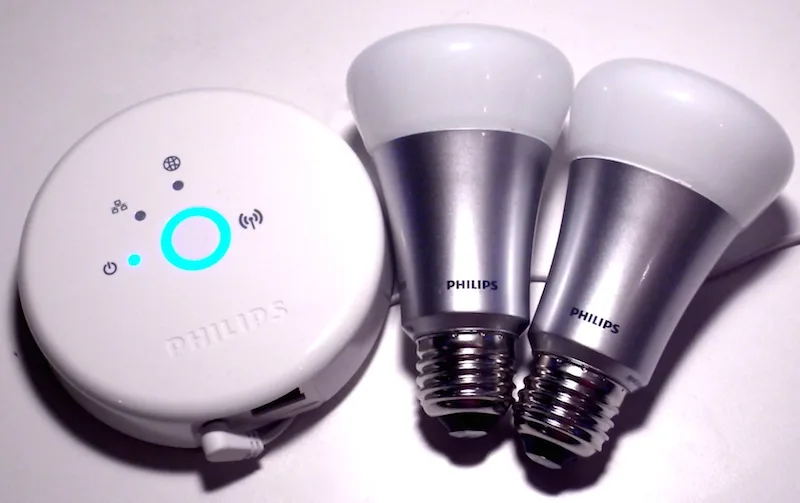
The first question is whether the exact bulb is suitable for the intended lamp, not whether its app is appealing. Philips Hue's UK range includes different bulb shapes and bases, including standard, candle and spotlight options. These product distinctions belong in your purchase record before you compare colour effects or routines.
Identify the lamp and its existing specification using the manufacturer's instructions and markings. Then record the proposed bulb's full model, base, dimensions and stated operating restrictions. Do not assume two bulbs fit the same place because they share a brand or brightness label. This guide is a purchasing checklist, not an instruction to modify a fitting or electrical wiring.
Philips Hue UK: lumens and smart bulb brightness ? Philips Hue UK: White and White ambience ?
Make an inventory by lamp position
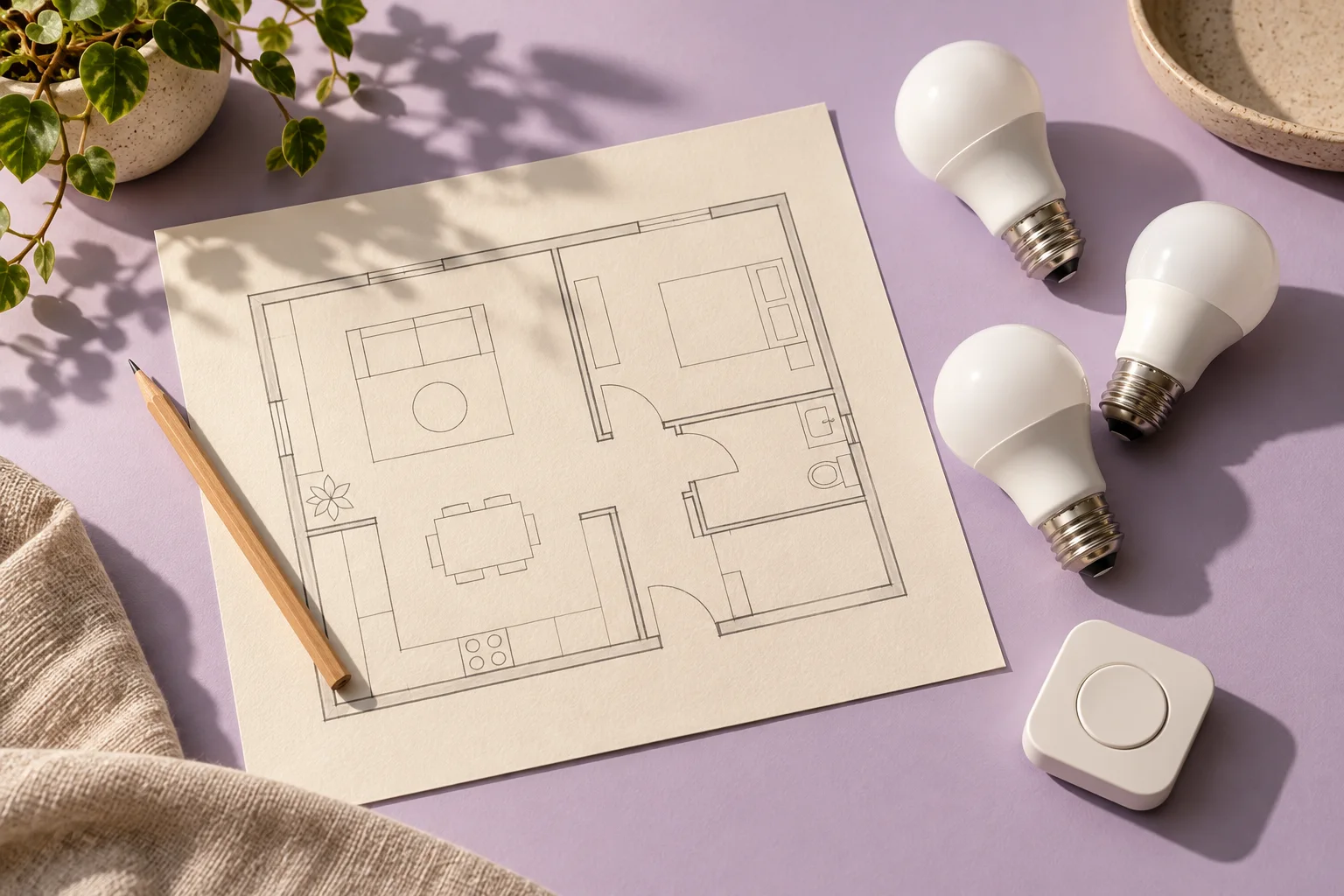
Label each intended position in plain language: desk lamp, reading corner or hallway pendant. Give each position its own row, even if the lamps look similar. The row should contain the base requirement, available physical space and the exact bulb candidate. A photograph of the lamp's label can help you preserve the original information for comparison.
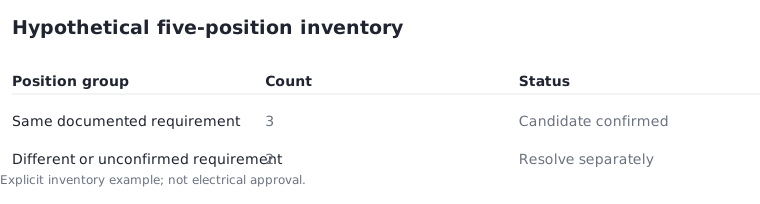
In a hypothetical room with five positions, three may share one confirmed bulb specification while two need separate checks. That does not justify buying a five-pack of the first candidate. The initial confirmed quantity is three. Keep the other two unresolved until their requirements are established, rather than treating them as a small detail to solve after delivery.
Compare dimensions with the actual lamp
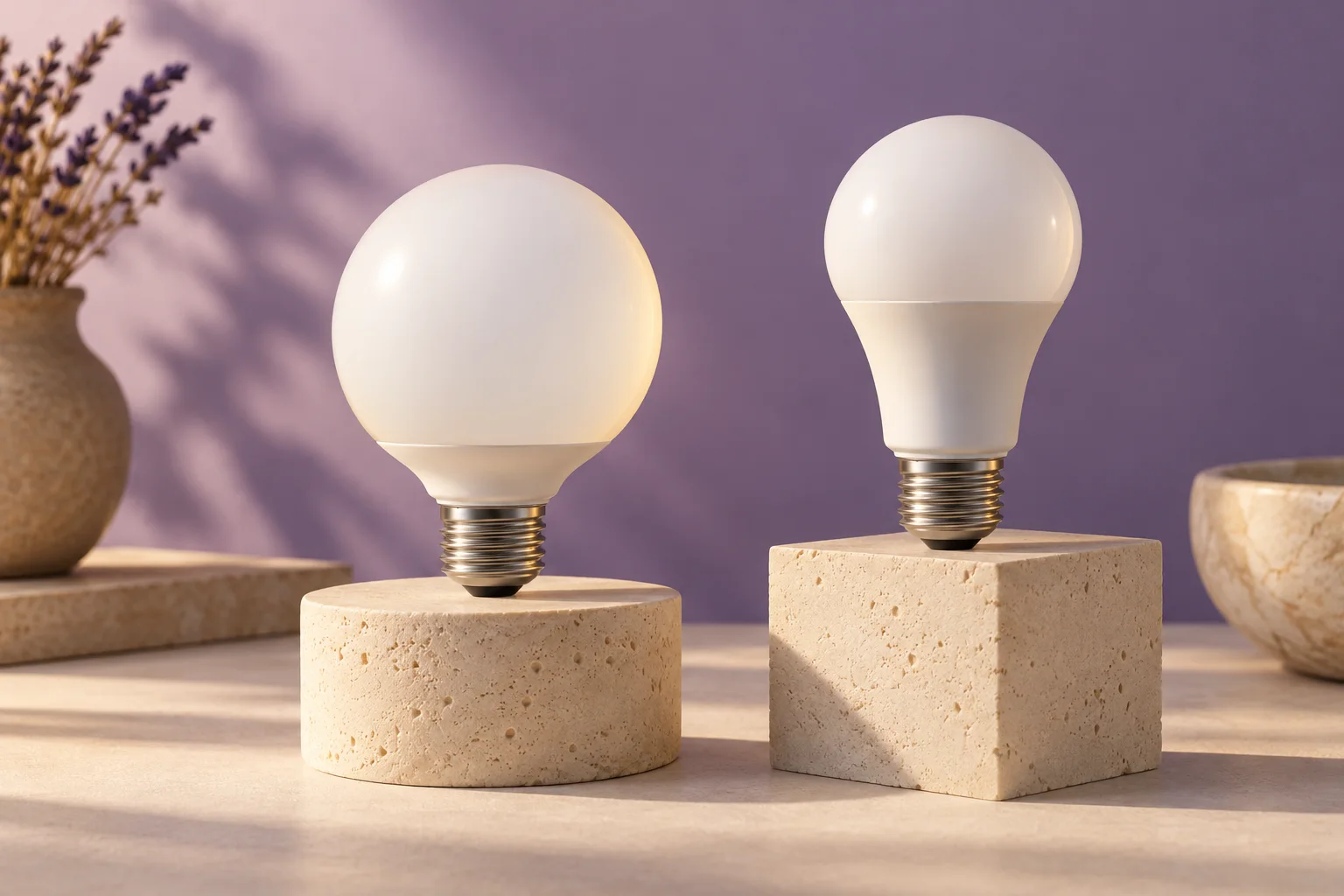
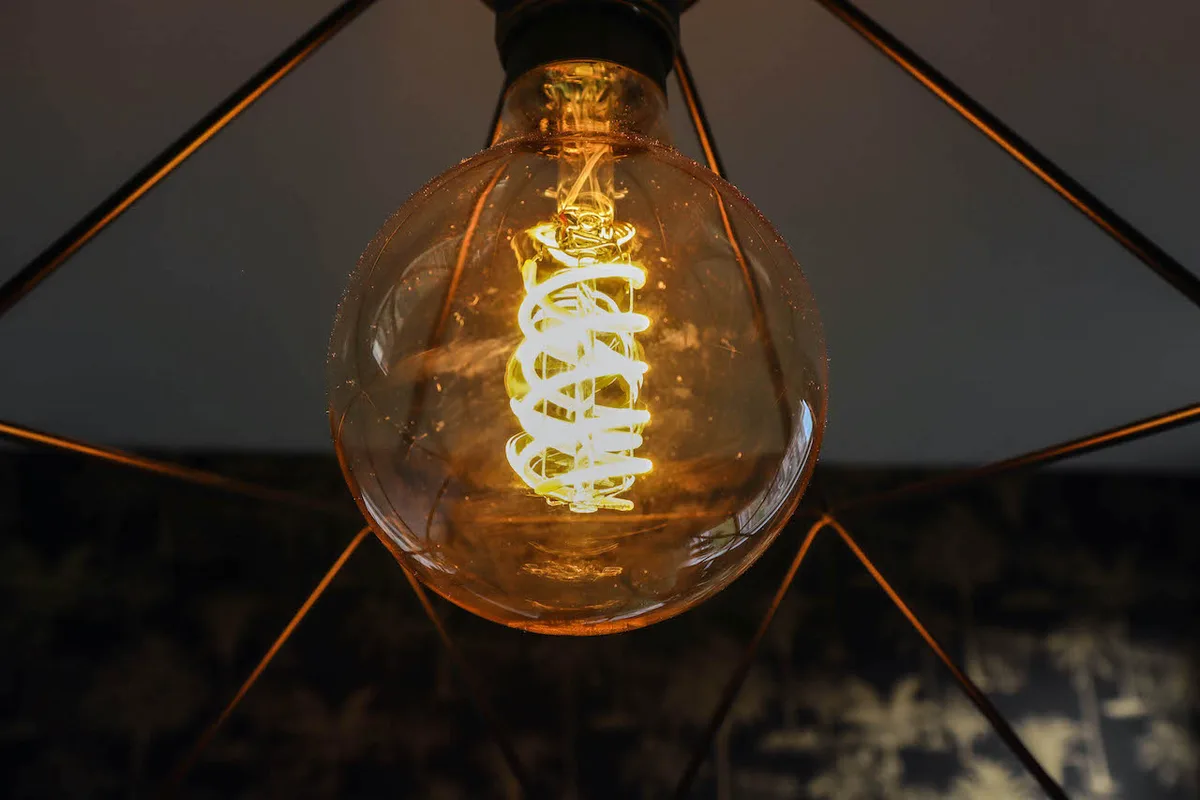
A decorative globe and a conventional bulb can occupy very different amounts of space. The historical globe photograph below makes that physical distinction visible. Its apparent size in a photograph is not a measurement, and it should not be used to infer the dimensions of a current product. Use the exact specification instead.
Record diameter and overall length where the manufacturer provides them, then compare them with the lamp's permitted configuration. A shade, enclosure or retaining component may create a restriction that a bare socket photograph does not show. If suitability cannot be established from the documentation, choose a candidate with a clearly supported fit or obtain the missing information before purchase.
Price the confirmed quantities
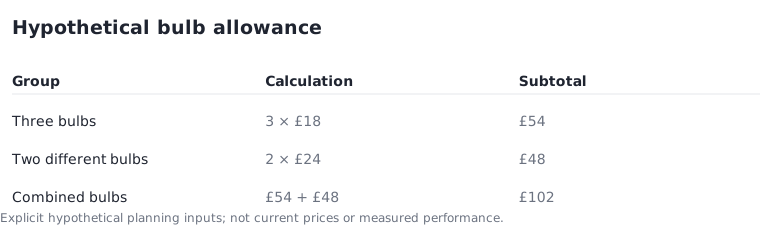
Assume three confirmed bulbs are budgeted at £18 each and two different confirmed bulbs at £24 each. The first subtotal is £54; the second is £48. The combined bulb allowance is therefore £102. These amounts are explicit hypothetical inputs, not current prices, a recommended product combination or proof of electrical suitability.
Buying five at the first assumed price would appear to cost £90, but that comparison is incomplete if two do not meet the required specification. The £12 difference is less important than purchasing the correct items. Add any separately required controls or hub only after the lamp-by-lamp list is settled, and avoid confusing the bulb subtotal with the complete room cost.
Save the matched pair of specifications
Keep the lamp requirement and bulb specification together, alongside the seller's exact product identifier. If a retailer substitutes a different version, repeat the comparison instead of relying on the previous decision. A small change in shape or model can matter even when the packaging uses similar wording.
Once physical suitability is established, move on to brightness, white tone and control requirements. The official range guides are useful for identifying the kinds of products available; the individual model instructions settle the actual fit. Your finished result should be a quantity list tied to named lamp positions, with unresolved items clearly excluded from the order.
Philips Hue UK: lumens and smart bulb brightness ?