Lumens and watts answer different lighting questions
Read light output separately from electrical input, then calculate a clearly labelled use example.
Updated:
Use lumens for output and watts for input
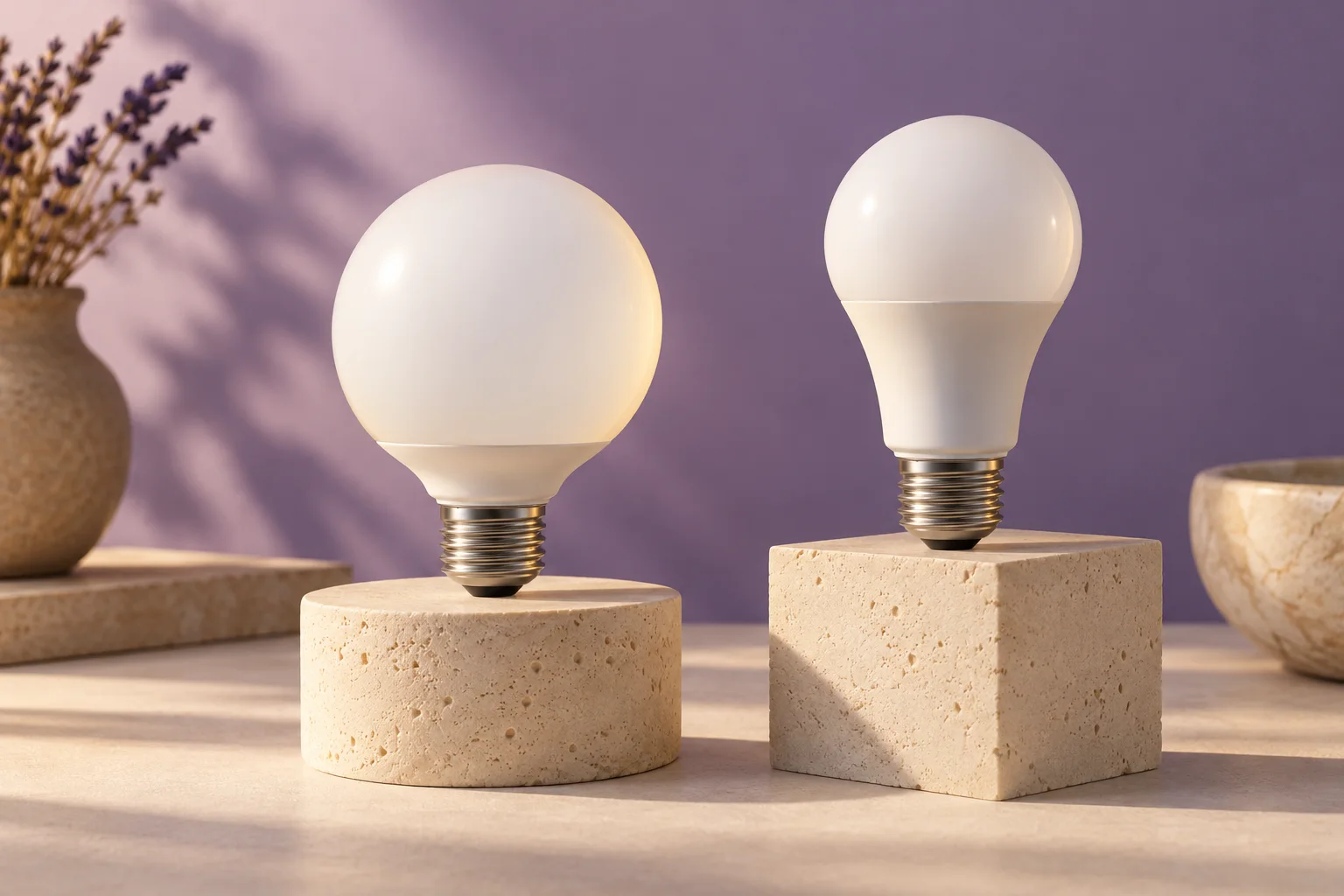
Lumens describe visible light output; watts describe electrical input power. Philips Hue's UK brightness guide makes this distinction explicit. Comparing smart bulbs by watts alone can therefore answer the wrong question when you are trying to choose the light output you need. Keep both figures, with their units, in separate columns.
The distinction does not create a universal conversion rule for every bulb. Different designs and operating conditions can produce different outputs for the same power input. Nor does adding lumen figures guarantee how bright a particular room will feel. The fitting, placement and selected light setting still belong in the decision.
Philips Hue UK: lumens and smart bulb brightness ?
Keep the stated light setting beside the number
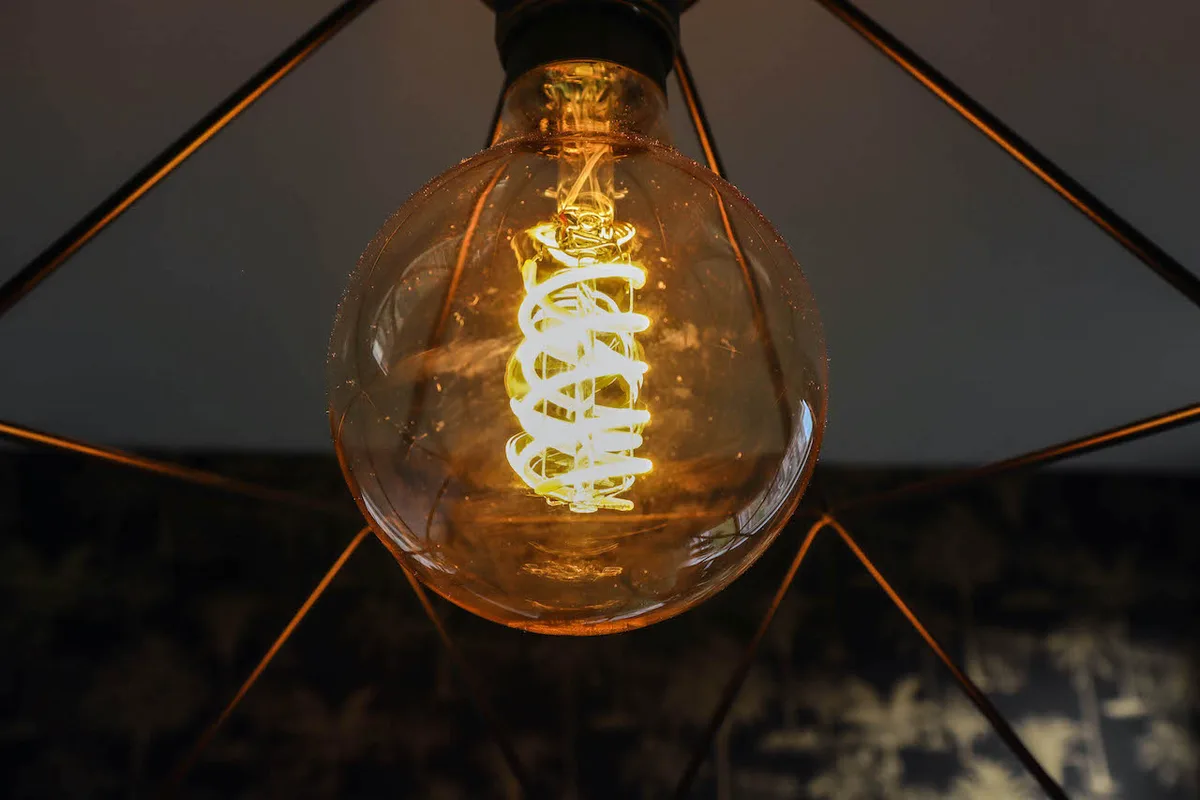
A product's maximum output should be read with the conditions under which it is stated. White-tone and colour-capable products can have more than one relevant setting. Record the stated colour temperature or mode next to the lumen figure rather than copying only the largest number from a listing.
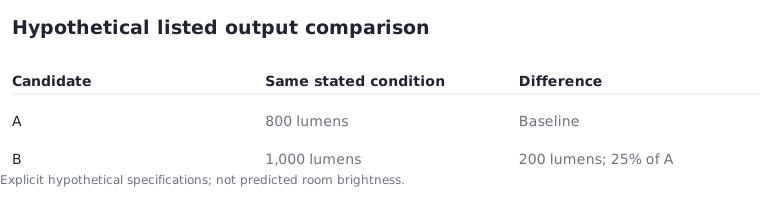
For an illustrative comparison, candidate A is listed at 800 lumens under one stated condition and candidate B at 1,000 under the same condition. The arithmetic difference is 200 lumens, or 25% of A's figure. That is a comparison of hypothetical listed outputs, not a prediction that your room will look 25% brighter. Different conditions would make even that limited comparison less useful.
Calculate active-use electricity separately
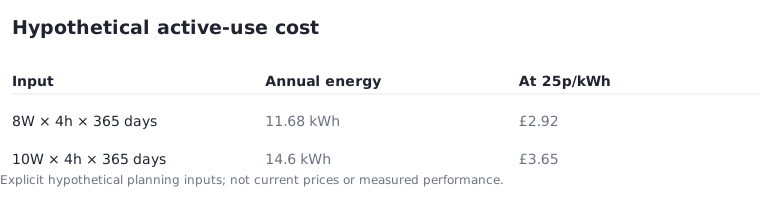
Assume one lamp draws 8 watts while used for four hours each day over 365 days. Its assumed energy is 8 × 4 × 365 ÷ 1,000 = 11.68 kWh. At an explicitly assumed rate of 25 pence per kWh, the annual active-use cost is £2.92. The final cost follows from those inputs alone.
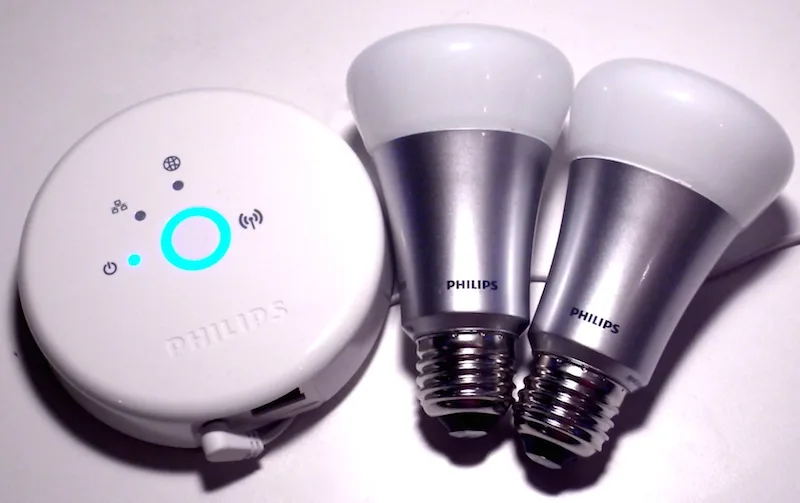
This excludes standby consumption, any hub, standing charges and changes caused by dimming or routines. It is not a measured result for the photographed bulb. Replace the power and tariff with appropriate figures for your own plan, then keep the exclusions next to the result so a small lamp estimate is not mistaken for the cost of the whole system.
Avoid a false brightness saving
Suppose another hypothetical lamp draws 10 watts for the same hours and days. Its active-use energy is 14.6 kWh and its cost at the same assumed tariff is £3.65. The arithmetic difference from the 8-watt example is £0.73 per year. That difference alone does not show which lamp provides the required light.
The correct order is to establish the suitable output and physical fit, then compare operating assumptions among candidates that meet the task. Selecting a lower-input product that cannot provide the intended lighting is not a like-for-like saving. Equally, paying for a higher maximum output may be unnecessary when the actual task is already met by another suitable option.
Build a short, unit-labelled shortlist
For each candidate, record the model, lumen figure and stated setting, input power, fitting requirements and control support. Keep the evidence date with the official page. This is enough to make a useful comparison without turning the list into a wall of marketing claims.
Use the Room Signal lighting calculator for the explicit energy calculation, then return to the manufacturer's documentation for the product's actual characteristics. If the output figure has no clear condition or the power input is uncertain, leave the calculation unresolved rather than filling it from memory. A smaller shortlist with comparable figures is more useful than a large table mixing unlike measurements.
Philips Hue UK: lumens and smart bulb brightness ?