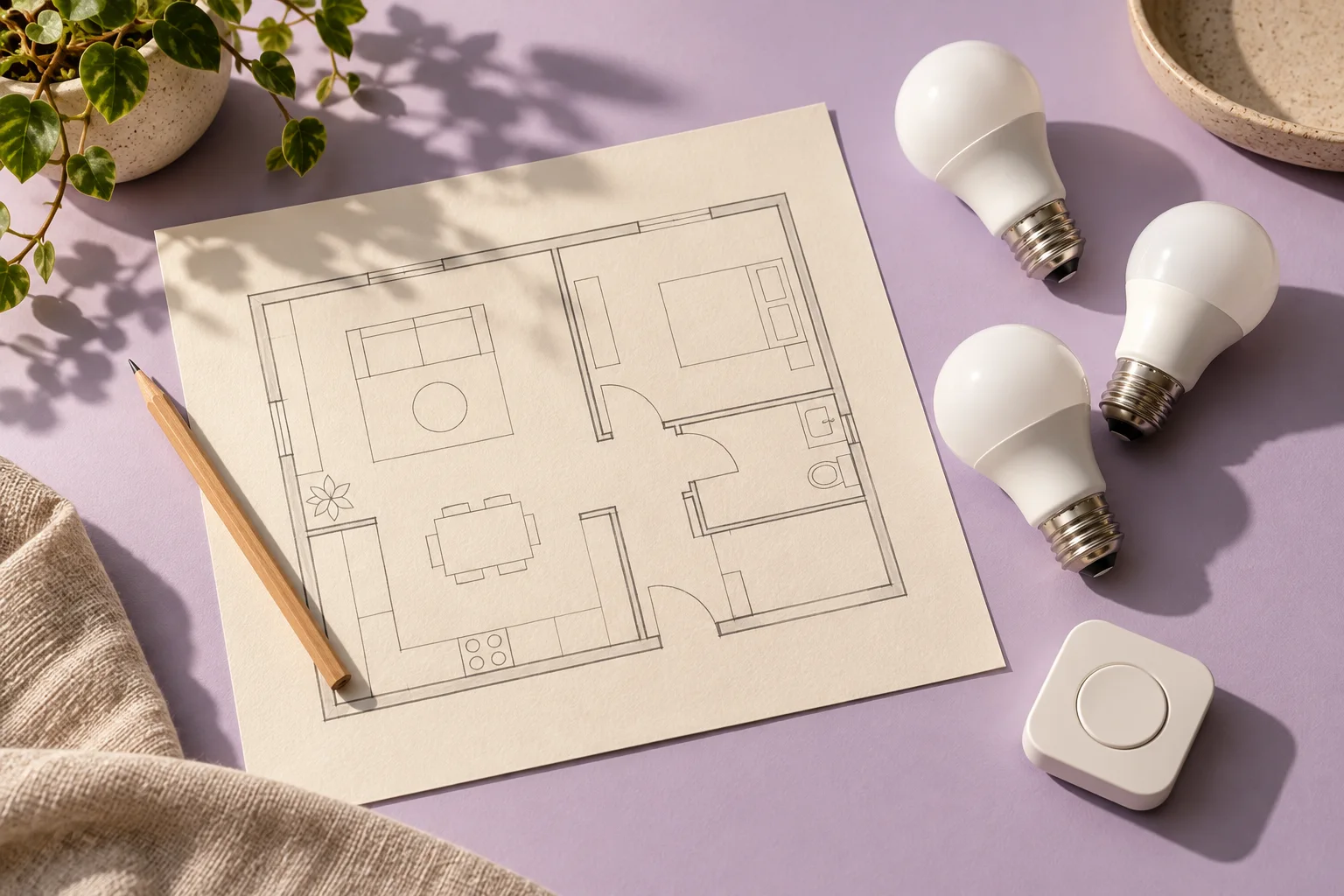
Plan one room
Plan your first smart room around one useful routine
A UK starting plan for lighting, controls and connection requirements, with an explicit GBP budget example and a practical purchase record.
Read the guideA UK starting plan for lighting, controls and connection requirements, with an explicit GBP budget example and a practical purchase record.
Read the guide
Separate the control standard from the network, then turn the distinction into a useful device comparison record.
Read the guide
Identify the roles your chosen platform requires before adding another hub to the basket.
Read the guide
Check the exact bridge and exported features before replacing working bulbs or assuming a software upgrade will connect them.
Read the guide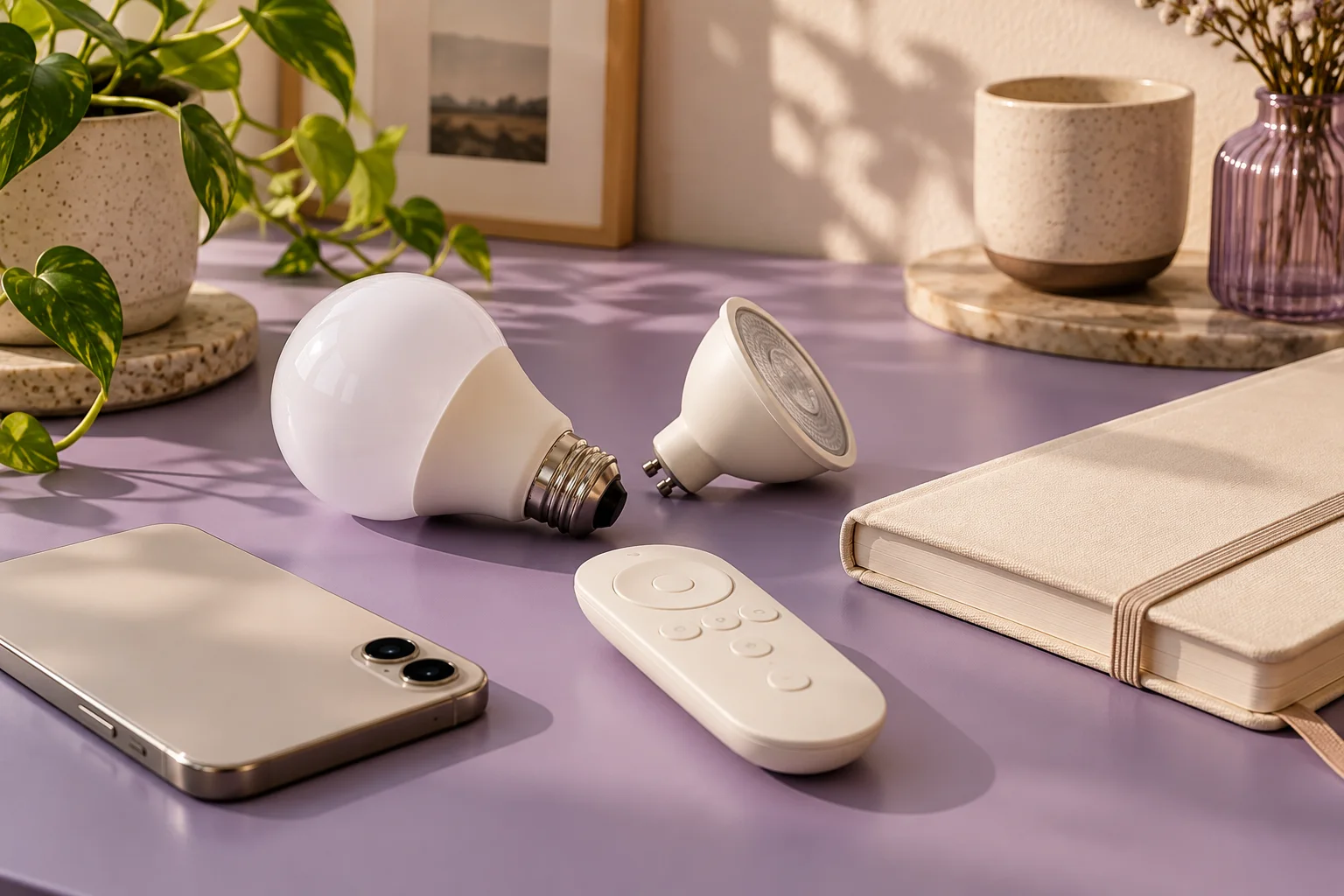
Build a small feature matrix that separates documented support, unsupported actions and unanswered questions.
Read the guide
Make a lamp-by-lamp inventory so the right connection standard does not distract from the wrong physical bulb.
Read the guide
Read light output separately from electrical input, then calculate a clearly labelled use example.
Read the guide
Separate brightness from white tone and decorative colour so you pay for the lighting control you actually intend to use.
Read the guide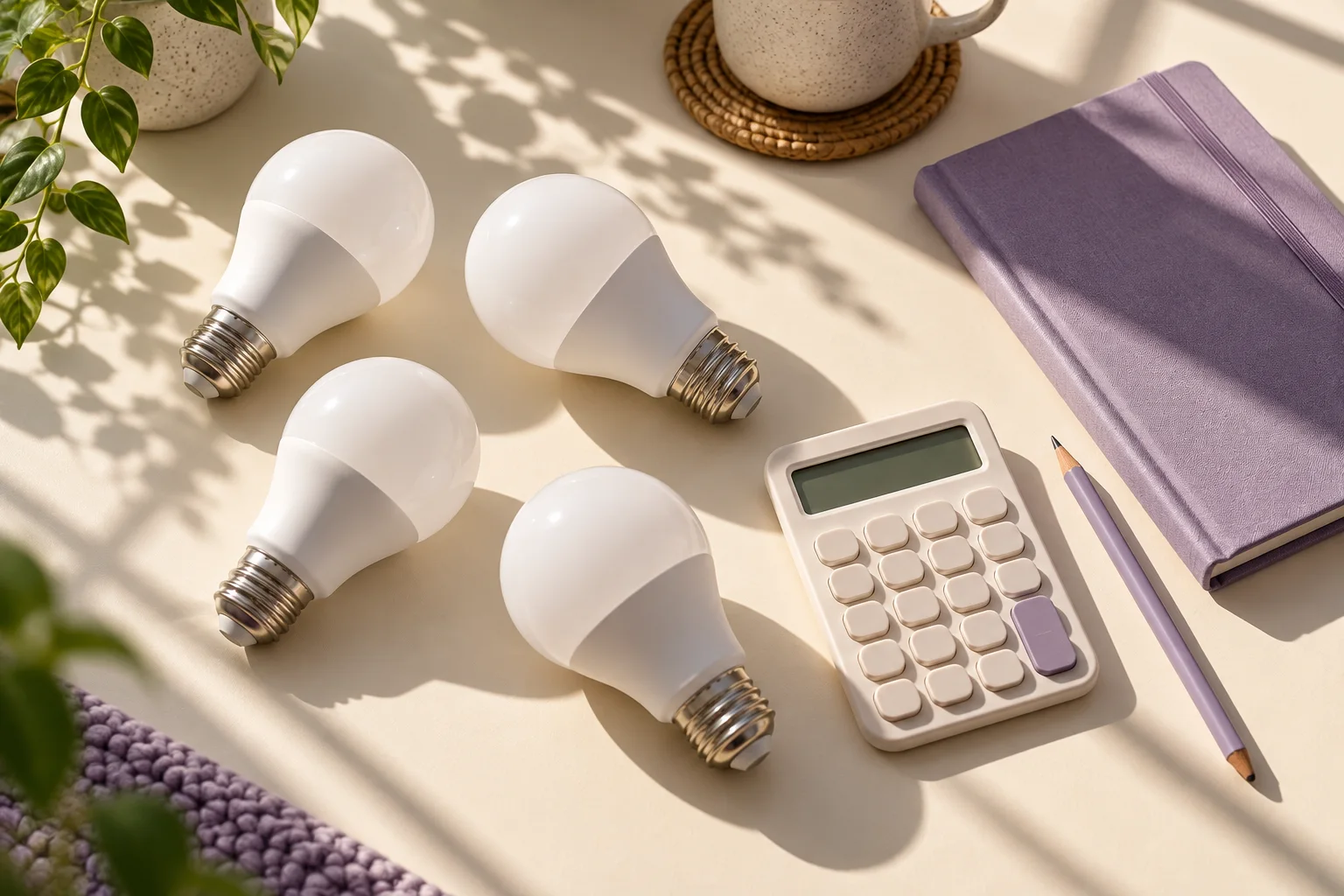
Use your own watts, hours and tariff, then keep standby and hub consumption separate from the active-use calculation.
Read the guide
Plan the location and everyday actions of a wireless button before adding complex routines or another app.
Read the guide
Use a small observation plan to check the intended trigger path and everyday control before permanent mounting.
Read the guide
Define when a lighting routine should act, then compare the conditions before changing thresholds or delays.
Read the guide
Separate the documented battery requirement from an explicit replacement-interval assumption and annualise the cost.
Read the guide
Separate a no-wire remote from a fixed electrical change and make the project scope clear before comparing quotations.
Read the guide
Use a small acceptance checklist for the trigger, intended action, manual control and exception path before expanding a setup.
Read the guide
Combine devices, required connection equipment and services without double-counting a starter kit or hiding excluded costs.
Read the guide
Separate public model information from private setup details and keep the official recovery instructions easy to find.
Read the guide
Decide why a second platform is useful, record its supported functions and keep service removal separate from device reset.
Read the guide
Keep the manufacturer’s update commitment, model and review date together so a low purchase price does not hide an unclear support period.
Read the guide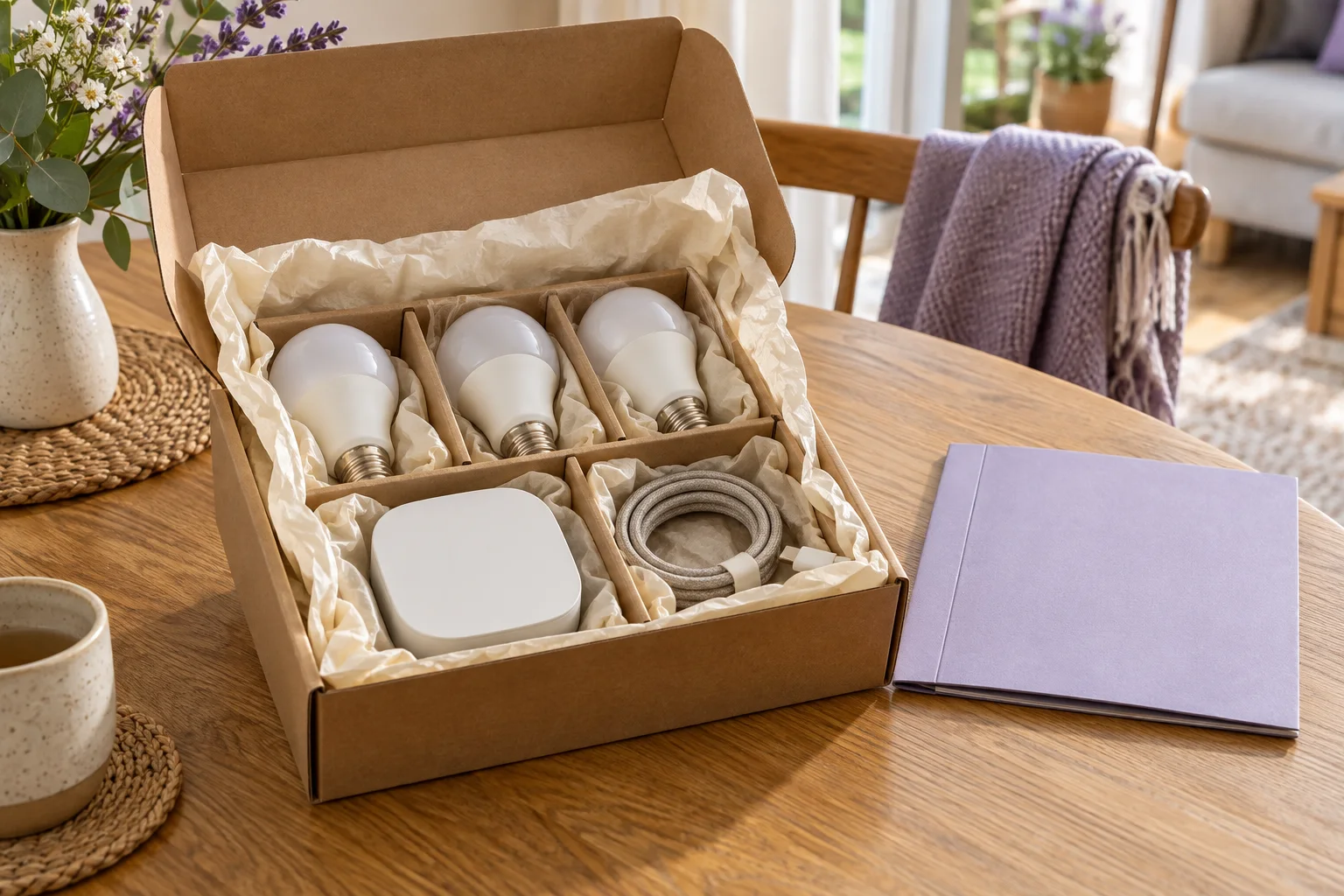
Separate the equipment you are keeping from the items being transferred, then use the exact account-removal and reset instructions.
Read the guide