Decide what a successful smart-home routine should actually do
Use a small acceptance checklist for the trigger, intended action, manual control and exception path before expanding a setup.
Updated:

Turn a vague idea into an observable task
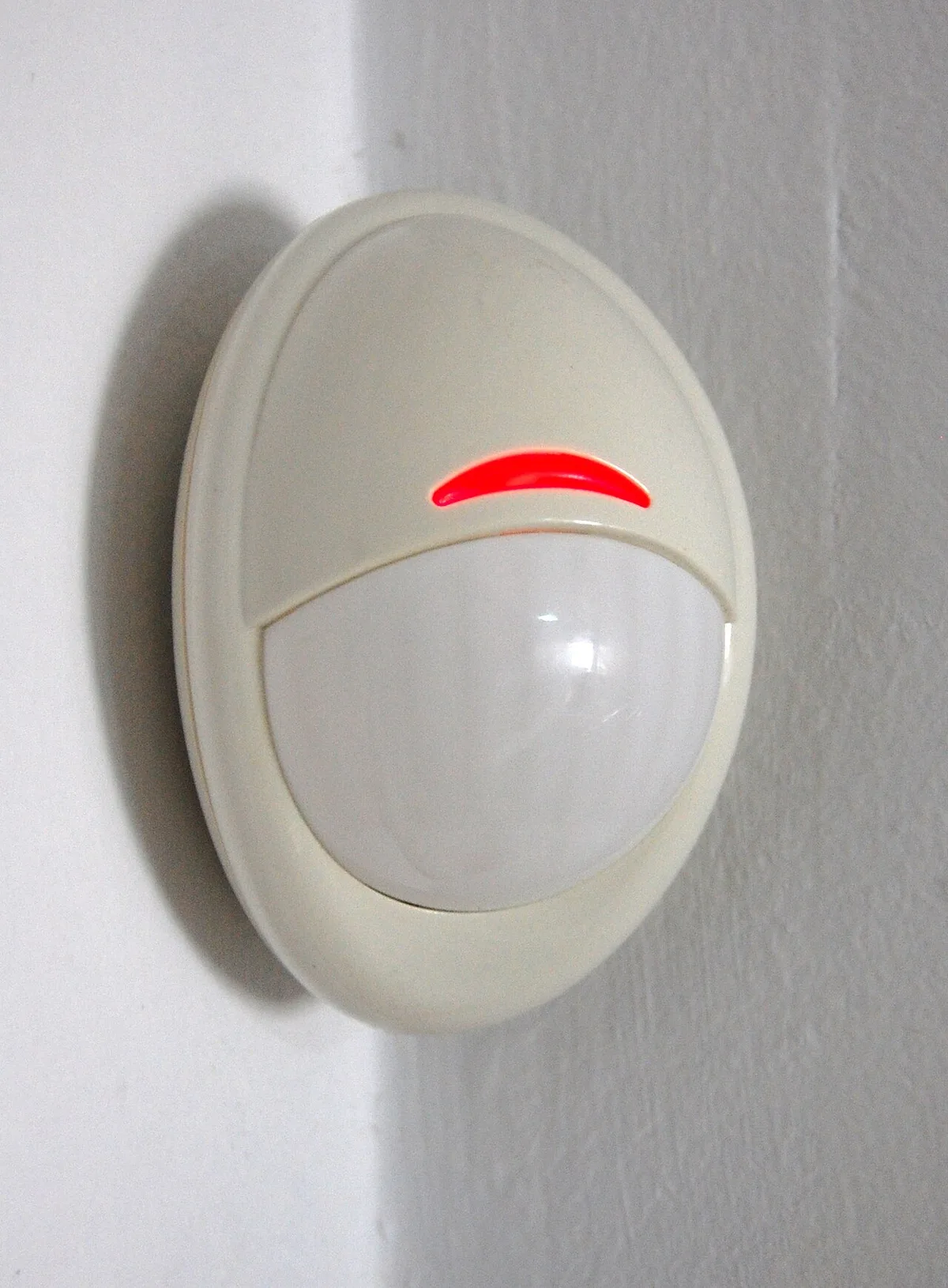
A routine is easier to assess when success is described as a specific action under a specific condition. Write the trigger, the intended light response and the person using the room. Manufacturer guidance for motion-based lighting describes configurable behaviour, so the right acceptance question depends on the exact supported setup rather than a generic promise of automation.
For example, the goal might be a lamp turning on when someone enters a dim reading area, while still allowing a manual choice. That sentence contains both the automatic path and an exception. Keep it visible during setup so that attractive extra features do not replace the original reason for the project.
Philips Hue UK: indoor motion sensor requirements and operation ?
Use four questions for the first review
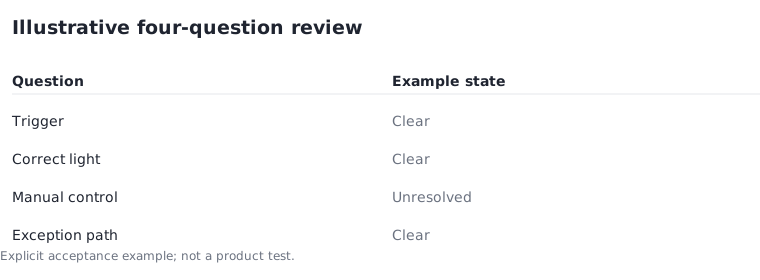
An illustrative checklist can ask whether the intended trigger is recognised, whether the right light responds, whether ordinary manual control is understandable and whether the documented exception behaves as intended. These four questions are a suggested review structure, not a product certification standard or a claim about every smart-home platform.
If three questions have clear answers and one remains unresolved, mark the routine incomplete. A score of 3 out of 4 can summarise the record, but it should not hide the importance of the missing item. An essential manual-control problem can outweigh several successful automatic actions. Keep a short note describing the observed discrepancy instead of reporting only a percentage.
Observe the ordinary user path
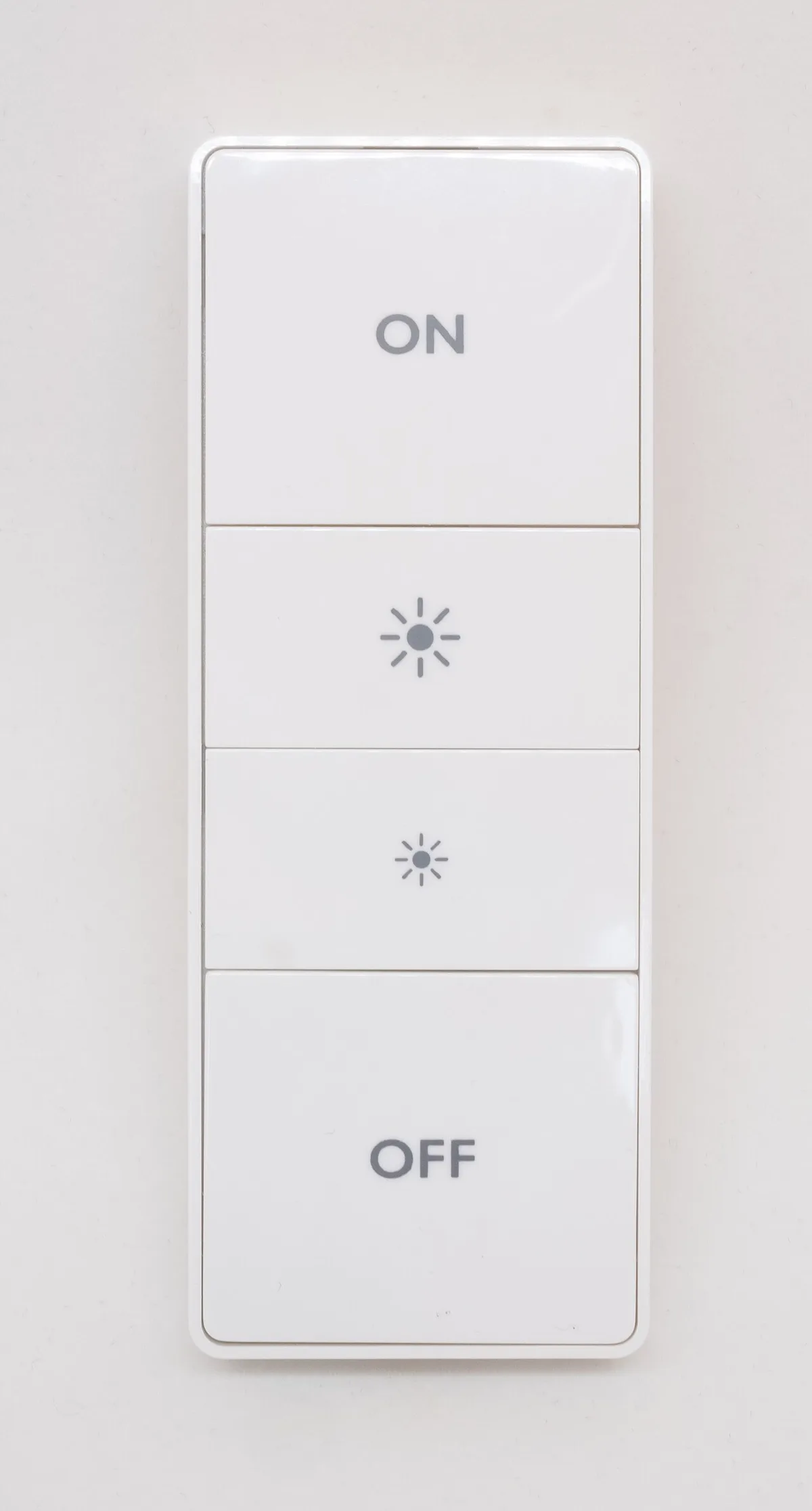
Try the normal task from the position where it will actually be performed. A physical button should be findable and its supported action clear. The Hue dimmer documentation shows why a mounted or handheld control is a distinct part of the setup, rather than merely an optional extra app feature.
Ask another household member who will use the room to follow the intended path, if appropriate. Record where the explanation becomes confusing. This is a personal usability check, not research conducted by Room Signal. Do not claim that a routine is universally accessible or reliable because one person understood it once. Use the observation to improve this particular arrangement.
Philips Hue UK: wireless dimmer switch ?
Change one thing and keep the comparison
Suppose the first review identifies an unwanted response after a manual setting. Change one relevant supported setting, then repeat the same observation under the same stated condition. Keep the before and after notes. Changing several unrelated settings at once makes it difficult to know why the result changed.
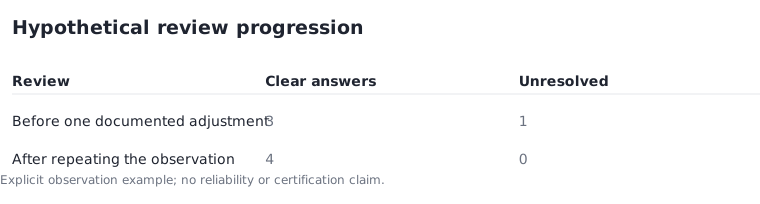
In a hypothetical sequence, the first review has three clear answers and one unresolved item. After a documented adjustment and another observation, all four may have clear answers. That is a completed personal checklist, not proof of fault-free future operation. Room use, software updates and later changes can create a reason to revisit the record.
Expand only after the small task is clear
Before adding another sensor or room, save the final model list, settings that matter and the ordinary control path. If the routine depends on platform support, keep the current official requirement with that record. Google notes that supported Matter device categories evolve, which is a reason to preserve the exact checked combination rather than a vague compatibility label.
Choose the next addition because it solves a new task, not because the current setup has unused features. Reuse the acceptance method while writing a fresh outcome for the next room. The useful result is an understandable routine with known conditions and a record you can revisit, without turning a small trial into a performance guarantee.
Use this suggested review with 3 steps: step 1, write the expected result; step 2, perform the ordinary task and record what happens; step 3, resolve any mismatch before expanding. Repeat the same task 2 times after a change so the notes describe more than a single observation. These counts define a practical exercise, not statistical proof of reliability.
Google Home: preparing for Matter ?