Try a motion sensor position before fixing it in place
Use a small observation plan to check the intended trigger path and everyday control before permanent mounting.
Updated:
Define the movement you want to detect
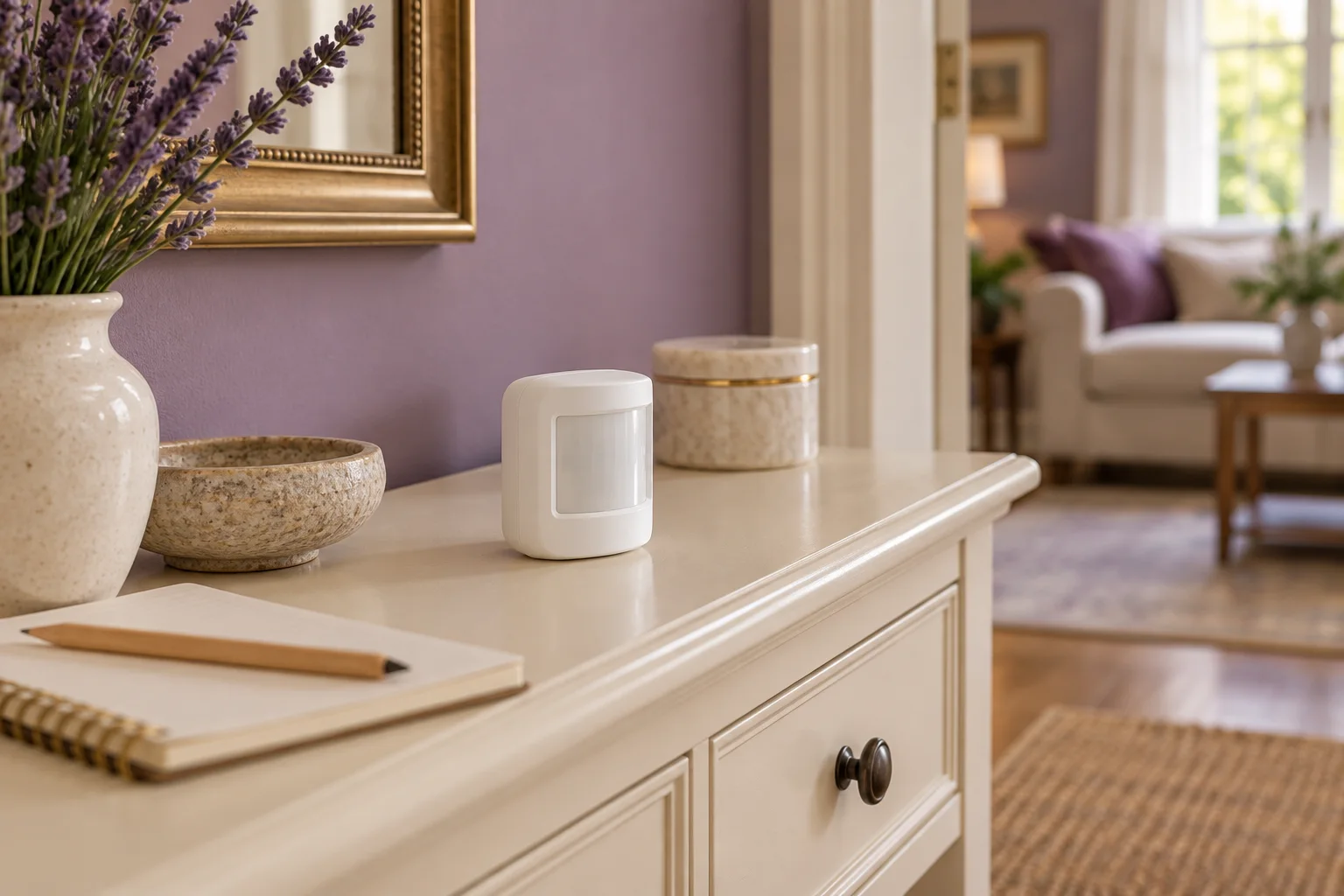
Choose the intended action before choosing a mounting point. For a lighting routine, that might be entering a reading corner and turning on one lamp under specified conditions. Philips Hue's indoor motion-sensor guidance recommends testing the sensor before permanent mounting. Treat that as a useful model-specific starting point, not a universal placement diagram for every sensor.
Write down the expected approach direction and the light that should respond. Keep a second line for movement that should not trigger the routine, such as someone passing a nearby doorway. This makes the trial a comparison against a defined task instead of a vague impression that the sensor seems sensitive.
Philips Hue UK: indoor motion sensor requirements and operation ?
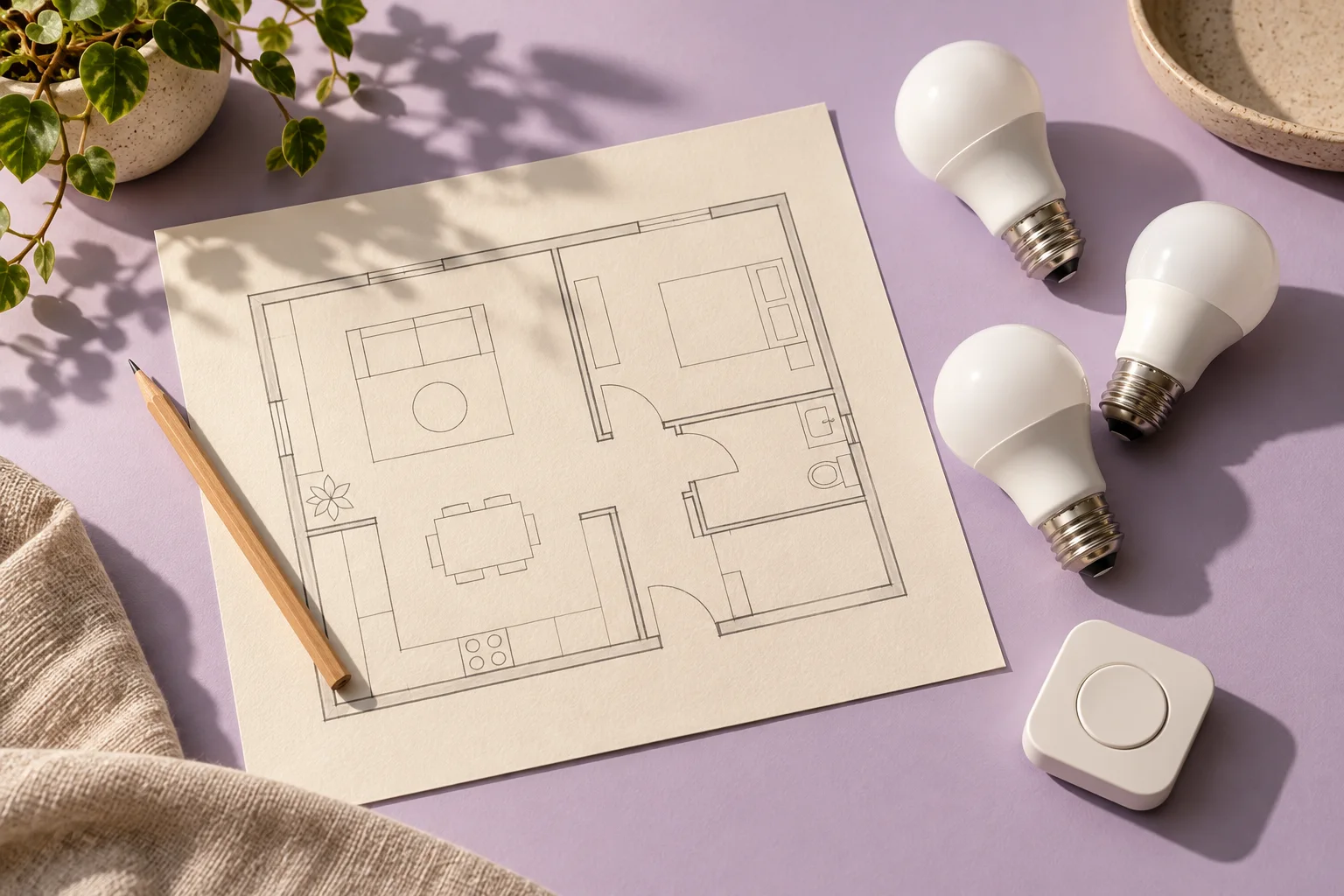
Create a small observation sheet
For an illustrative trial, choose two temporary positions and repeat the intended approach three times at each. That creates six recorded observations. Add columns for position, condition, expected action and actual action. The number six is an editorial planning example, not a manufacturer certification test or a statistically reliable performance sample.
If position A responds as intended on all three observations and position B on two, you have one discrepancy to investigate at B. You have not proved that A has perfect reliability or that B has a permanent 67% success rate. Repeat relevant conditions and record what changed rather than converting a tiny personal trial into a product score.

Keep the trial within the product instructions
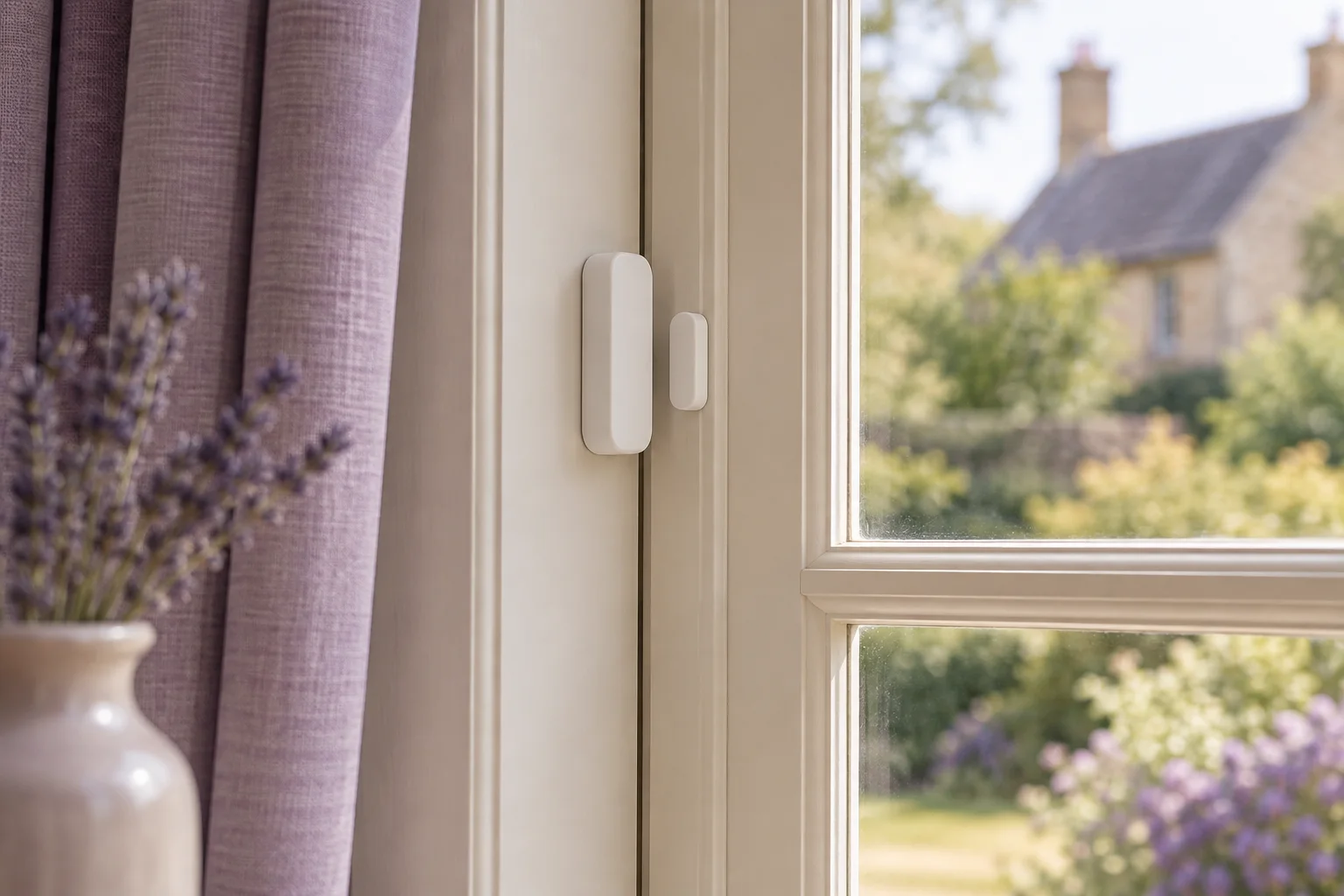
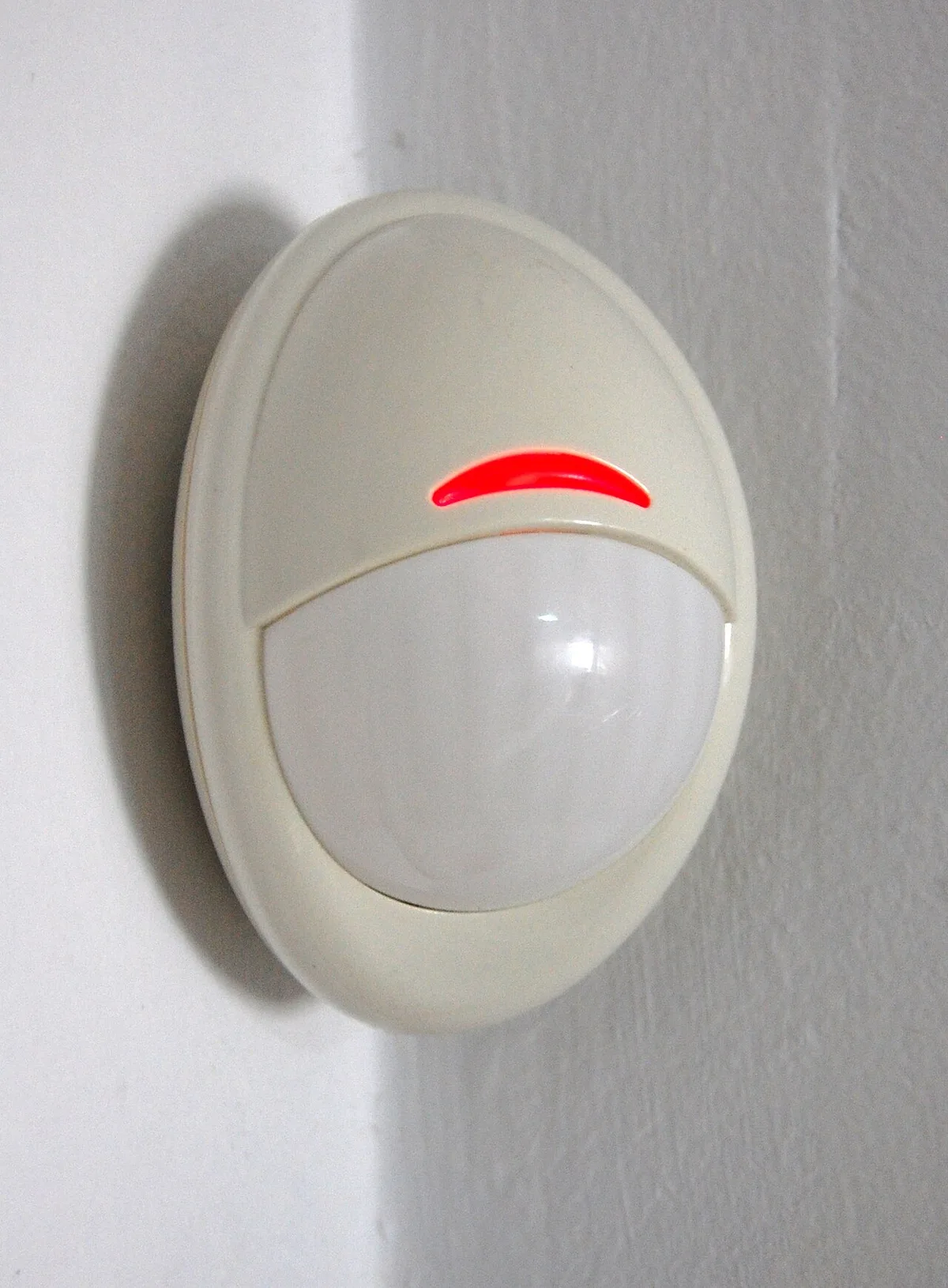
Use the mounting options, environment and setup procedure stated for the exact model. The pictured historical Visonic detector illustrates the physical face and lens of a motion sensor; it is not the Hue model discussed in the source, nor proof of a shared detection pattern. Different sensors can have different installation requirements.
Avoid fixing a location permanently while the intended behaviour remains unclear. Do not use a lighting convenience trial to certify a security system or safety-critical function. The purpose here is simply to understand whether the chosen lighting routine behaves as expected in your own room under the conditions you recorded.
Philips Hue UK: indoor motion sensor requirements and operation ?
Include ordinary manual control
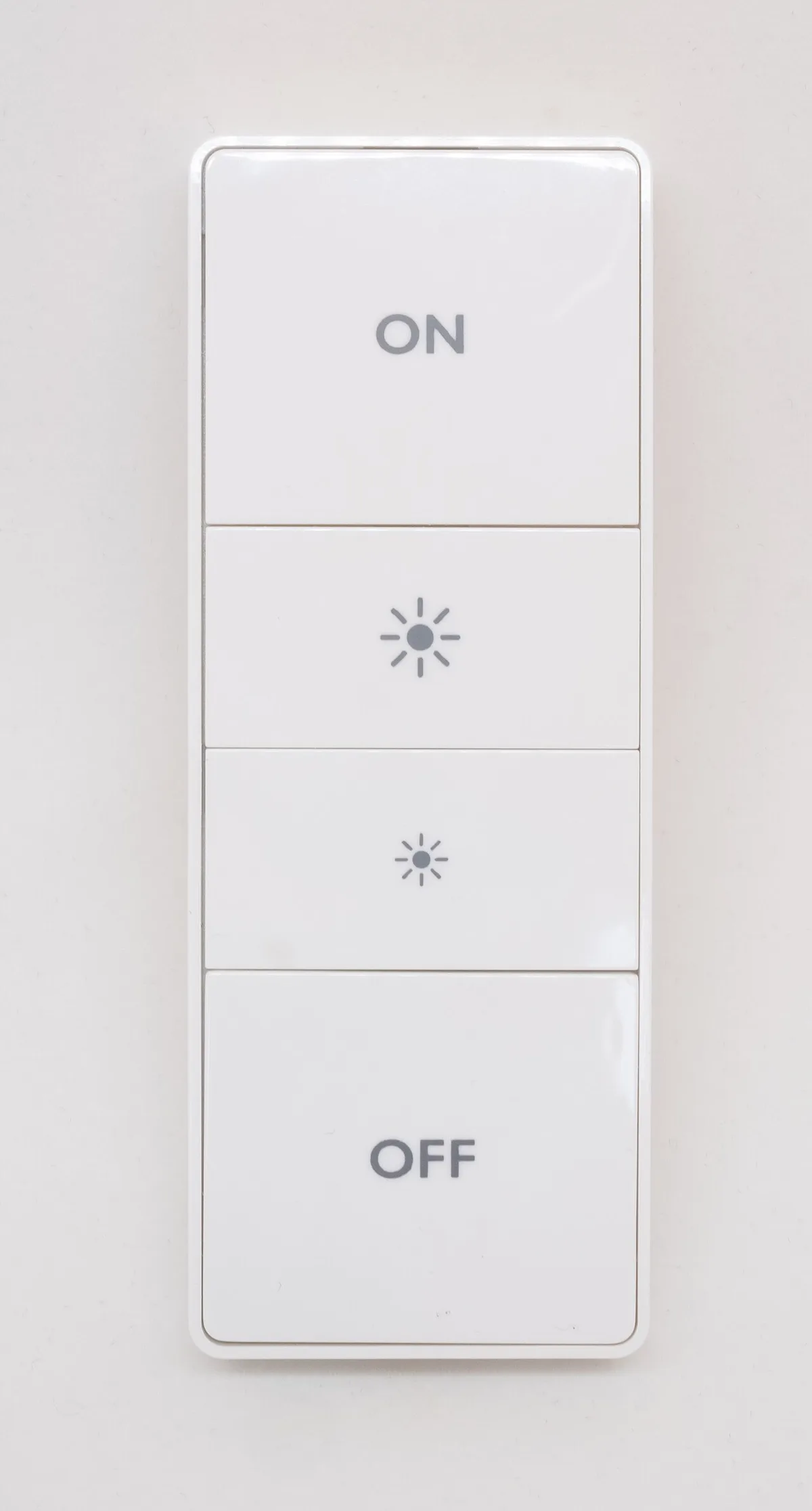
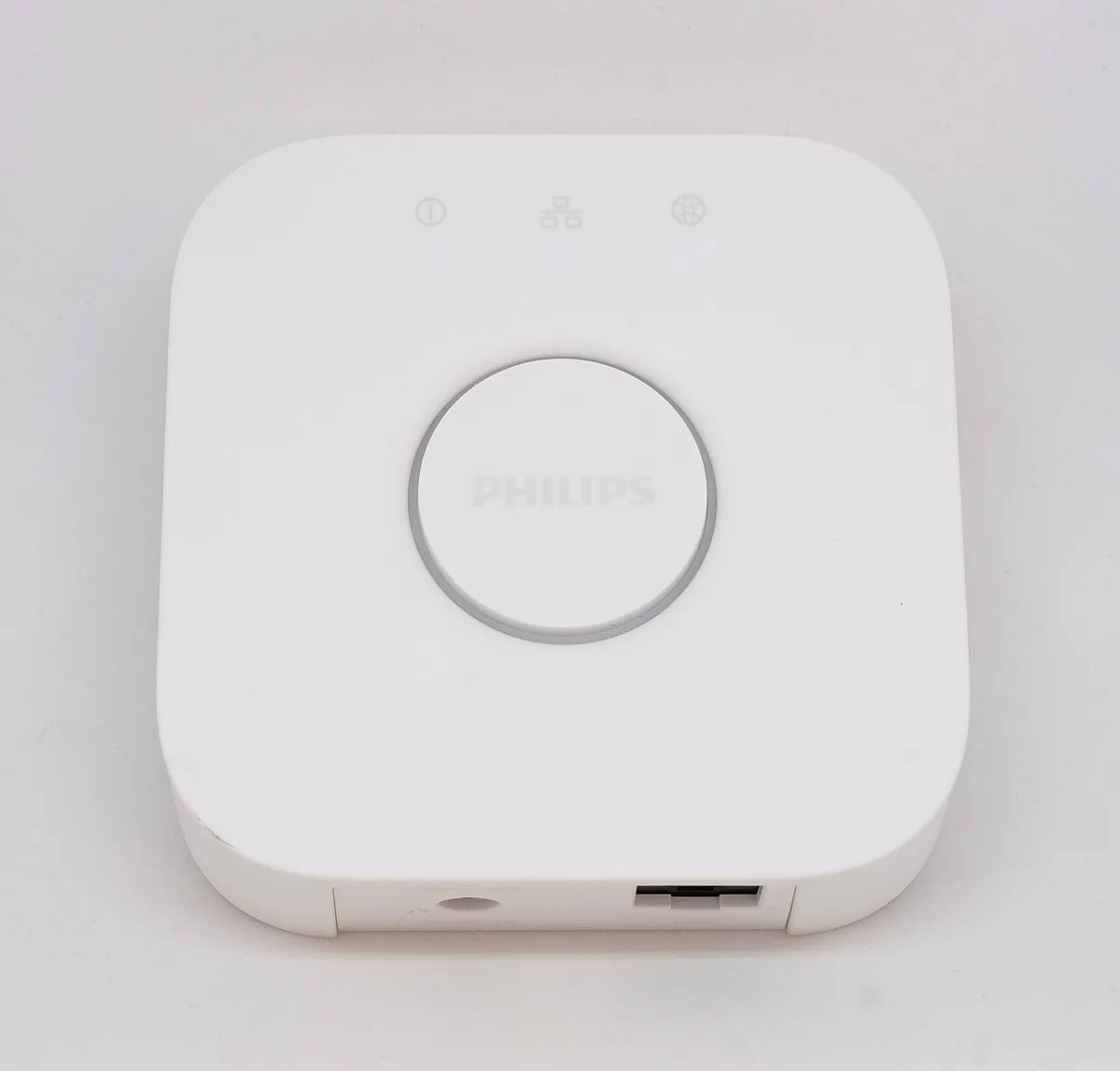
A motion routine is only part of how people use the room. Add an observation for the manual control path: can someone still select the light they want without the routine immediately creating confusion? The manufacturer's supported settings and the physical button's documented behaviour should determine the setup, rather than an assumed interaction between them.
In a hypothetical checklist with four questions, three clear answers and one unresolved manual-control question means the plan is still incomplete. The unresolved question may matter more than the three positives. Keep it visible and revise the routine before treating the setup as finished. This is a practical acceptance record, not a formal safety assessment.
Philips Hue UK: wireless dimmer switch ?

Decide what to change next
If the result is inconsistent, change one documented setting or trial position at a time and repeat the relevant observations. Record the previous and new condition so that an improvement can be traced. Changing position, sensitivity and timing together makes it harder to know which change affected the result.
Once the desired behaviour is clear, follow the exact mounting instructions and keep the observation record with the setup details. A different room arrangement or routine may justify another check later. Your finished result is a supported location and understandable everyday behaviour for this particular task, not a promise that one sensor position will suit every home.
Philips Hue UK: indoor motion sensor requirements and operation ?