Plan a sensor battery allowance without guessing its lifetime
Separate the documented battery requirement from an explicit replacement-interval assumption and annualise the cost.
Updated:
Record the required cell before the cost
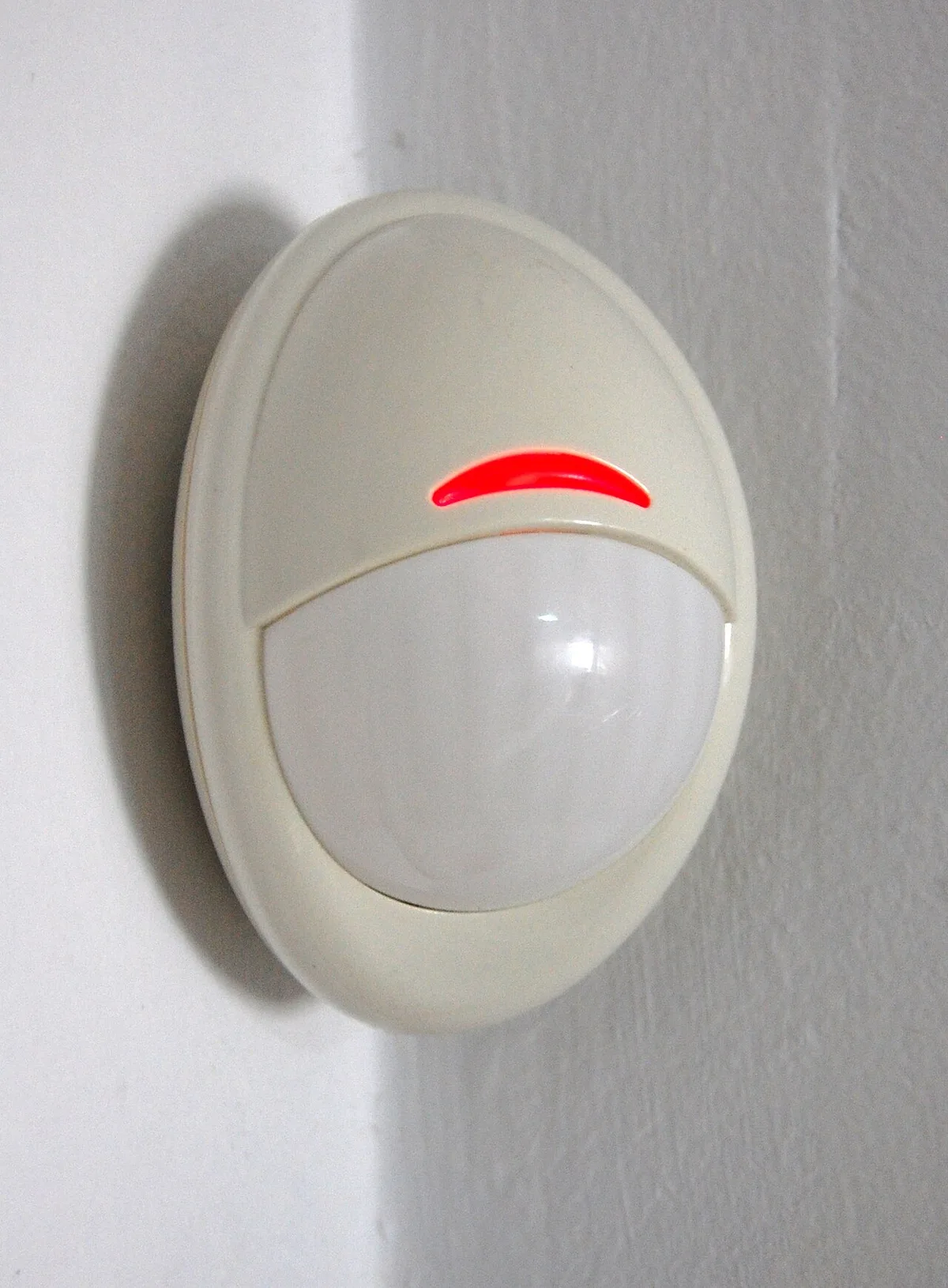
Start with the exact device's battery specification. The current Philips Hue indoor motion-sensor FAQ identifies two AAA cells for that model, while its outdoor version uses a different requirement. That distinction is enough to show why a generic sensor battery assumption is unreliable. Do not transfer a requirement from a photograph, another generation or a similar-looking product.
Keep the cell type and quantity beside the model identifier and the manufacturer's replacement instructions. This guide estimates an allowance; it does not instruct you to substitute a chemistry or cell type. The device's instructions settle what can be used, while your planning inputs settle the arithmetic.
Philips Hue UK: indoor motion sensor requirements and operation ?
Calculate one replacement event
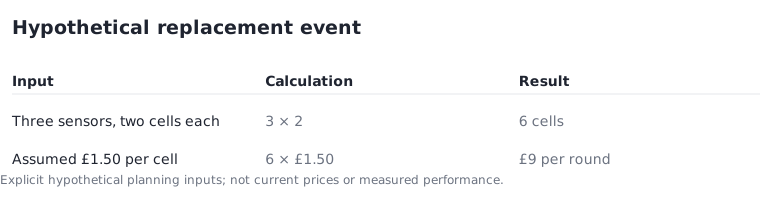
Assume a hypothetical household has three sensors, each requiring two cells, and each suitable cell costs £1.50. One full replacement round would use 3 × 2 = 6 cells. At the assumed price, that event costs 6 × £1.50 = £9. These are explicit planning inputs, not a current retail offer or a claim that every sensor uses two cells.
The event cost is different from an annual cost. If you stop at £9 and call it yearly spending, you have silently assumed a replacement interval. Keep the number labelled as one complete round until the interval assumption is stated. Partial replacements and different device requirements may also make real purchases less uniform than this example.
Annualise only after stating the interval
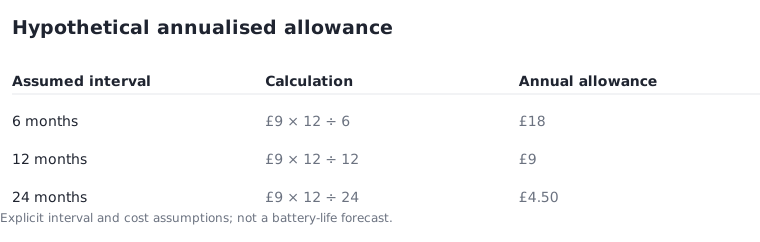
For a 12-month assumed interval, the £9 event corresponds to a £9 annualised allowance. For a six-month assumed interval, it becomes £18 per year. For a 24-month assumed interval, it becomes £4.50 per year. The formula is event cost × 12 ÷ assumed months between replacements.
None of these intervals is a battery-life prediction. Actual use, environment and the specific product can change replacement timing. The purpose of the comparison is to show how sensitive your allowance is to an input you may not yet know. If you have your own dated replacement history, keep that observation separate from a manufacturer's claim and from a future planning assumption.
Keep different controls on separate rows
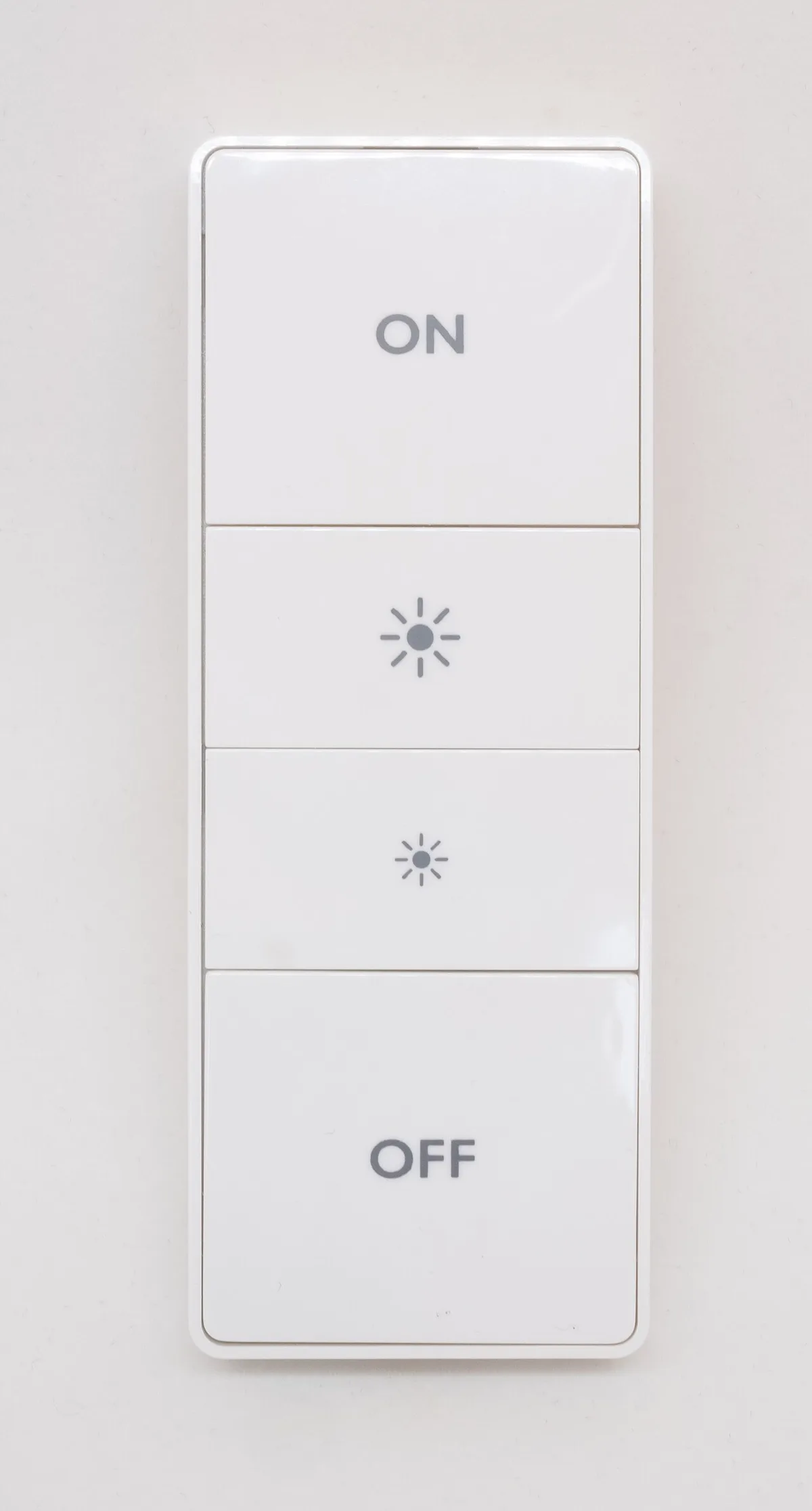
A wireless button or dimmer may use a different battery type and quantity from a motion sensor. The Hue dimmer product page provides its own model-specific battery information. Do not combine unlike devices into one average sensor row merely to make the spreadsheet shorter.
In an illustrative inventory, three sensors and two remotes make five battery-powered devices, but that does not mean five identical replacement purchases. Record the required cell, cells per device and unit cost for each group. Add the group allowances only after each has a valid input basis. A device count alone is insufficient to calculate battery spending.
Philips Hue UK: wireless dimmer switch ?
Use a small maintenance record
Save the model, required cells, date of replacement and any relevant observation from your own use. Follow the manufacturer instructions for replacement and disposal. Keep spare cells stored as directed and do not treat a budget calculation as approval for a different battery choice.
Use the Room Signal battery tool to compare explicit assumptions, then revise the allowance when better evidence is available. A zero replacement interval is not meaningful and is rejected by the calculator. The useful output is a labelled planning amount with its assumptions visible, not a promise that the device will last a certain number of months or cost exactly that amount each year.
Philips Hue UK: indoor motion sensor requirements and operation ?