Do you need a Matter controller, a Thread border router, or both?
Identify the roles your chosen platform requires before adding another hub to the basket.
Updated:
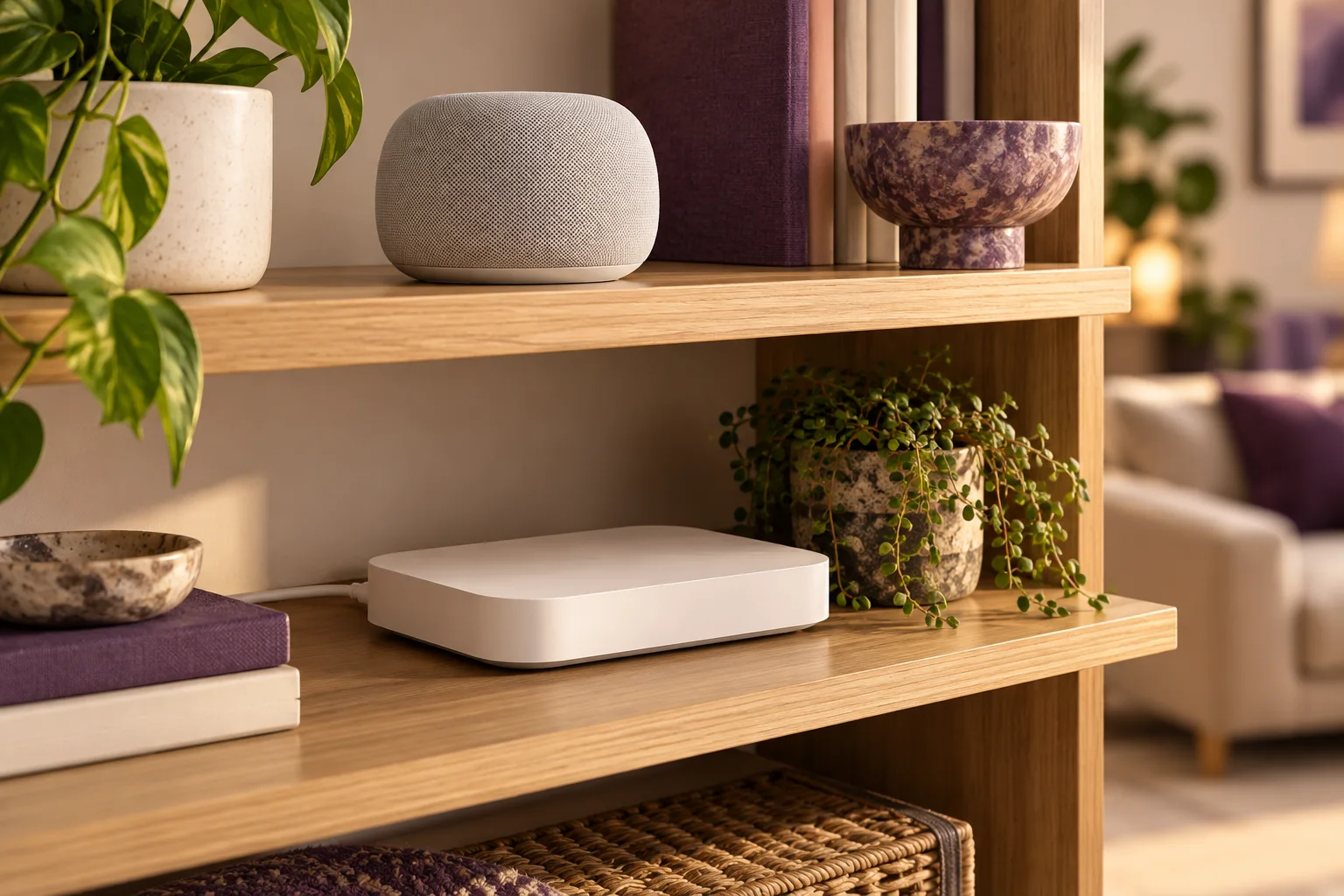
Start with the platform requirement
The useful answer depends on your platform and the accessory's connection. A Matter control role and a Thread border-router role are different responsibilities, although one physical product may provide both. Google Home's preparation guide requires a Matter-enabled hub and identifies which hub devices also provide Thread support. Start with that platform-specific requirement rather than a generic instruction to buy a hub.
Write down the exact accessory connection before choosing additional equipment. A Wi-Fi accessory and a Thread accessory do not create an identical networking question. Keep the manufacturer's model name, software requirement and supported platform together, so that a similarly named product cannot accidentally stand in for the one you own.
Google Home: preparing for Matter ?
Inventory what is already in the room
Make a two-role inventory: control and network connection. For each role, record either the exact existing device that provides it or a documented gap. A smart speaker, display or another product may supply a role without being sold under the word hub. Appearance and room location do not establish its capabilities.
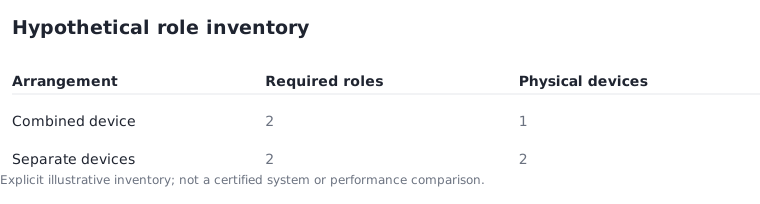
In a hypothetical inventory, one existing device supplies both required roles. That is two roles across one physical device. Another plan uses two separate devices for the same two roles. Neither count proves better performance. It simply stops you purchasing a second box because you mistook two responsibilities for a requirement to own two separate products.
Recognise the Apple local-control exception
Apple's current guidance allows supported iPhones and software to add and control Matter accessories locally without a home hub, with additional conditions for Thread-enabled phones and accessories. Apple still recommends a home hub for the best experience. This exception is why a blanket statement that every Matter purchase requires a new hub is misleading.
Define what you actually expect to do: local control while at home is not the same requirement as every possible automation or remote operation. Keep those expectations beside the relevant official instructions. If the desired operation falls outside the documented exception, budget for the required arrangement instead of stretching the exception to cover it.
Apple UK: pairing and managing Matter accessories ?
Calculate the incremental cost only
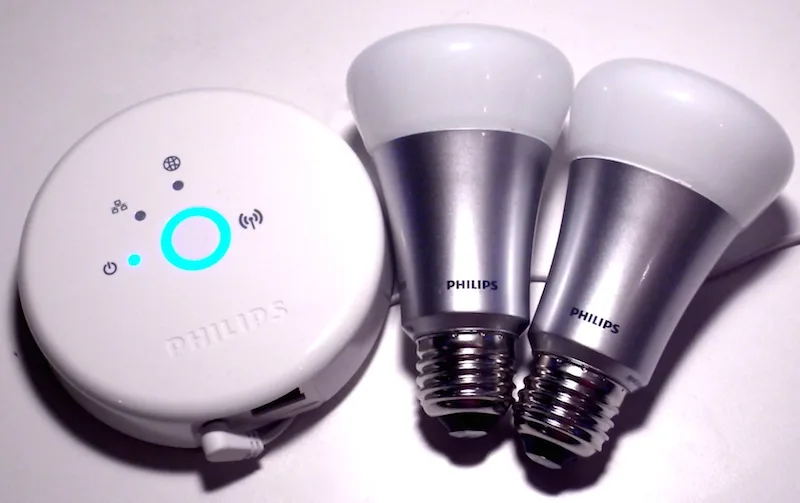
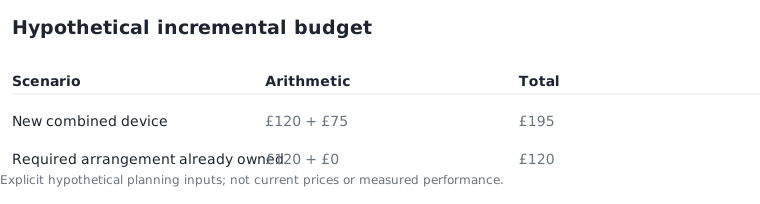
Assume a new combined device costs £75 in a planning exercise. If it supplies both missing roles, the additional equipment allowance is £75, not £150. If an existing device already provides the required arrangement, the additional allowance may be £0. These are explicit hypothetical amounts, not current prices or a claim about any pictured product.
For a £120 accessory basket, the two assumed totals become £195 and £120. Delivery and any other required items remain outside those figures until entered. The comparison is useful only after support is confirmed. A cheaper plan with an unresolved role is not equivalent to a complete plan merely because the arithmetic is tidy.
Keep a role-based purchase note
Save a short note stating the control platform, accessory connection and exact device supplying each required role. Add the official page and the date you checked it. This note is particularly helpful when a retailer uses hub, bridge and controller loosely in a product title. You can compare the claimed function against the requirement rather than debating the label.
The Thread Group's explanation provides the networking distinction: a border router forwards between Thread and the other IP network. Use the platform's current setup documentation for the complete working arrangement. If a proposed purchase cannot be matched to a missing role, pause that item and resolve the gap before paying for it.
Thread Group: border router versus hub or bridge ?